Powered By



Prurigo nodularis (PN) typically develops later in life, most commonly affecting adults between ages 51-65. While the search results don't specifically mention menopause, this age range does overlap with when many women experience menopause.
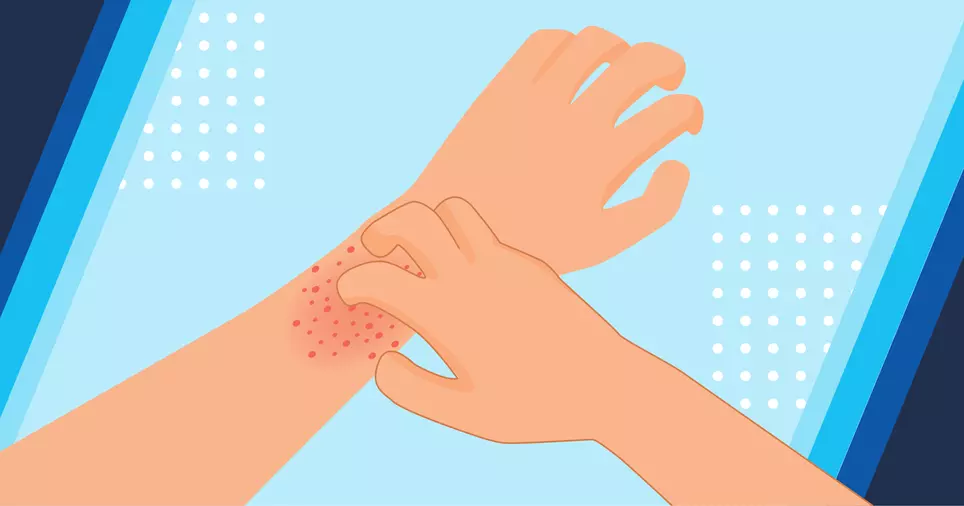
The condition can take several weeks of scratching and picking at the skin before Show Full Answer
I too had a partial hysterectomy in 1991. They used FSH levels and symptoms to determine the onset of menopause. I have Sjogren's disease which significantly affects my Gynecological picture. I under treatment for interstitial cystitis among other issues such as vaginal dryness and tissue issues. My treatment plan is similar to yours. The Clobetesol and vaginal estrogen are a huge benefit. I also received bladder instillations to prevent UTI's. All of my genitourinary care is handled by a urogynecologist. Don't give up advocating for yourself regarding the Dupixent issue. Time consuming, frustrating, etc., but so worth it because your health and wellness are invaluable.
I had a hysterectomy and overies removed maybe 30 years ago My Oby Dr thinks it’s strange I have no itching or nodules on my bottom I use estrogen cream and clobetasol every other day I have lichen sclerosis which is usually under control with the meds My dr said she would look into the pn situation so I will update you on her reply if any she did say what you just woke up itching one day I said yes I hope it goes away just like it appeared I have only had pn for one year after the first intense month I went to the er and then the dr then the er no sleep so then they put me under observation then named it PN I didn’t mess around I was so tired of no sleep itching and on and on I use dupixent gabapentin remeron I have no nodules right now itching I do have the crawling feeling like don’t itch because we know the scratch cycle now I am fighting a denial for dupixent
I have not had the experience of PN being associated with menopause. I have had thoughts about it being associated with other things though.


 Continue with Facebook
Continue with Email
Continue with Facebook
Continue with Email

 Join
Join





 Your Privacy Choices