A recent diagnosis is a lot to take in, and the itch-scratch-no-sleep cycle is genuinely exhausting — you're not alone in feeling drained by it. Many MyPrurigoTeam members describe exactly the same experience in the early days.
The itch-scratch cycle is one of the hardest parts of prurigo nodularis. Scratching damages the Show Full Answer
A recent diagnosis is a lot to take in, and the itch-scratch-no-sleep cycle is genuinely exhausting — you're not alone in feeling drained by it. Many MyPrurigoTeam members describe exactly the same experience in the early days.
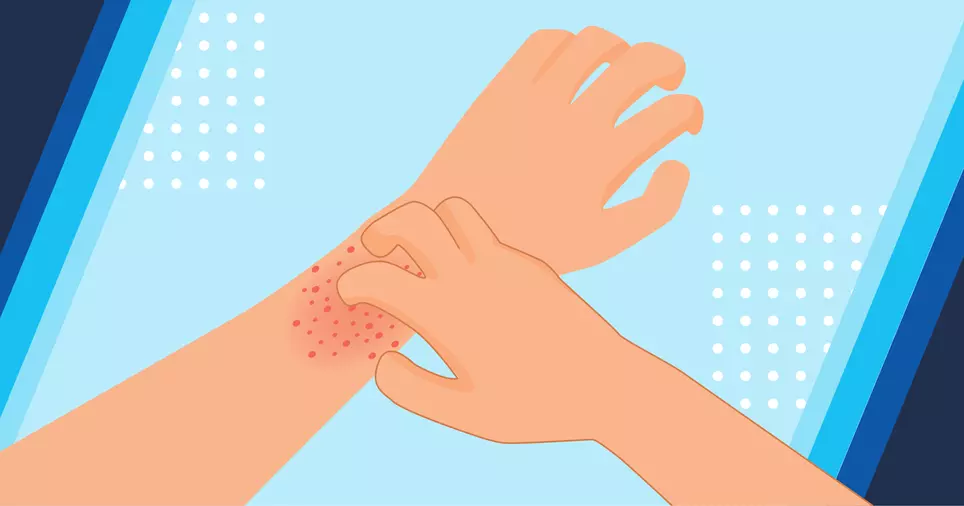
The itch-scratch cycle is one of the hardest parts of prurigo nodularis. Scratching damages the skin, which triggers more itching, which leads to more scratching — and so it goes. Breaking that cycle is key to getting some relief.
While you're working through your treatment options, here are some things that may help alongside your prescribed treatments: - Cover affected areas with clothing, bandages, or medicated tape to protect skin from scratching
- Keep nails short to reduce damage when you do scratch
- Wear gloves or mittens to make it harder to scratch — just avoid overheating, as heat can trigger flares
- Use gentle, fragrance-free moisturizers regularly to combat dry skin, which worsens itching
- Avoid triggers like heat, sweat, stress, wool or polyester fabrics, and harsh skin products
It's also worth letting your dermatologist know if your current treatments aren't giving enough relief. Sometimes it takes trying a few different approaches before finding what works best for your skin. Don't hesitate to advocate for yourself at appointments!
May 16






 Join
Join






 Your Privacy Choices